








Enquire about our SIL vacancies

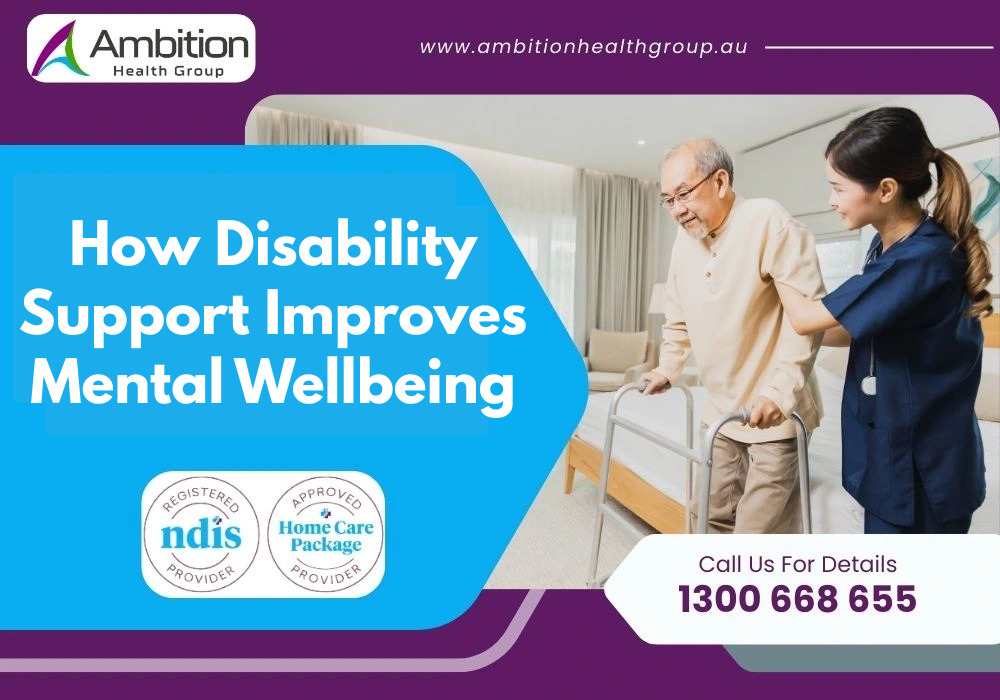
Living with a disability affects more than just physical ability. It often influences confidence, emotional stability, and a person’s sense of independence. When everyday tasks become challenging, it can lead to stress, anxiety, and social withdrawal. This is where the right disability support services play an important role, not only in providing practical assistance but also in supporting mental wellbeing.
With personalised care, consistent routines, and compassionate support, disability services help individuals feel more secure, confident, and emotionally balanced in their daily lives.
The Relationship Between Disability Support and Mental Health
Mental wellbeing is closely connected to how supported a person feels in their daily life. When individuals receive reliable assistance, they experience less pressure managing tasks on their own. Professional disability support providers understand that emotional wellbeing improves when people feel heard, respected, and supported consistently. Knowing how to work with the right provider is important, which is why some families find it helpful to understand how to choose the right disability service provider when starting or reviewing support.Confidence and Stability Through Daily Support
Daily challenges can slowly impact mental health when individuals feel they are constantly struggling or dependent on others without structure. Support with personal care, household tasks, and daily routines helps reduce frustration and restores a sense of control. Disability support at home is especially effective for mental wellbeing. Remaining in a familiar environment helps individuals feel safe and grounded. Familiar surroundings reduce anxiety, support routine, and promote emotional comfort. Over time, this consistency builds confidence and emotional resilience.Reducing Isolation and Encouraging Social Connection
Social isolation is one of the most common challenges faced by people living with disabilities. Limited mobility, communication barriers, or lack of confidence can prevent individuals from engaging with others. Quality disability support services actively encourage social participation and meaningful interaction. Support workers often assist individuals to gradually reconnect with their community, take part in activities, and maintain relationships. These experiences help improve mood, self esteem, and a sense of belonging, all of which are essential for positive mental wellbeing.Emotional Wellbeing Through Trusted Support Relationships
Consistency in care plays a major role in emotional stability. When individuals receive support from familiar carers, trust develops naturally. Over time, support workers understand personal preferences, communication styles, and emotional needs. This continuity is a key strength of a quality disability support service. Trusted relationships reduce anxiety, provide reassurance during change, and help individuals feel emotionally supported rather than overwhelmed.How NDIS Disability Support Supports Mental Wellbeing
The National Disability Insurance Scheme is designed to promote choice, independence, and empowerment. NDIS disability support allows participants to access services that align with their personal goals, including goals related to mental health and emotional wellbeing. Through NDIS disability support services, individuals can receive assistance that promotes confidence, skill development, and community involvement. When participants feel in control of their support and involved in decision making, emotional wellbeing often improves naturally. Understanding NDIS core supports and their benefits can also help participants use their funding in ways that support both practical needs and mental health outcomes.Encouraging Independence and Personal Growth
Mental wellbeing improves when people feel capable and valued. Disability support focuses on helping individuals develop skills, maintain routines, and achieve personal goals at their own pace. Each small achievement contributes to improved confidence and emotional strength. Rather than focusing on limitations, effective support highlights abilities. This strengths based approach plays a powerful role in improving long term mental wellbeing.Supporting Families and Carers
Disability support benefits not only individuals but also their families. Caring for a loved one can be emotionally demanding, especially without consistent professional support. Reliable disability support services reduce pressure on families and provide peace of mind. When families know their loved one is supported by trained professionals, stress levels decrease and relationships become more balanced and positive.Choosing the Right Disability Support Provider
The quality of support has a direct impact on mental wellbeing. Choosing experienced and compassionate disability support providers ensures care is delivered with dignity, respect, and understanding. A good provider listens, adapts to changing needs, and recognises that emotional wellbeing is just as important as physical assistance.Conclusion
Disability support plays a vital role in improving emotional wellbeing, confidence, and overall quality of life. Through personalised disability support services, individuals experience reduced stress, stronger social connections, and greater independence. With professional disability support at home, tailored NDIS disability support, and access to comprehensive NDIS disability support services, individuals are empowered to live with dignity, stability, and emotional confidence. At Ambition Health Group, our disability support service approach focuses on empowerment, inclusion, and mental wellbeing, ensuring individuals and families feel supported at every stage of their journey.